

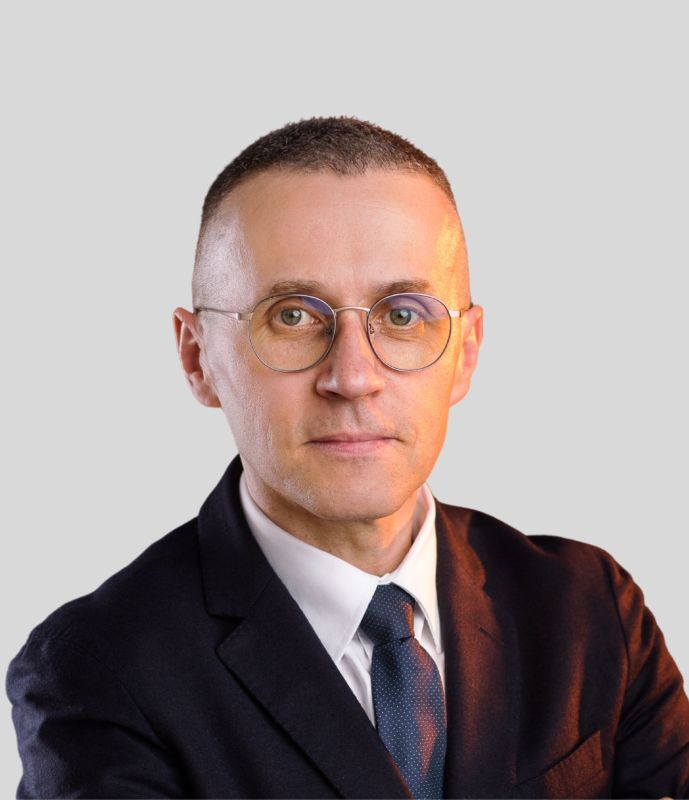
Treść bio...
Follow the Leaders
Agenda
Agenda
Check out the schedule for our event.
Choose the event you are interested in:
08:00 - 08:30
O4 Coworking
Workshop Registration
08:30 - 09:00
O4 Coworking
keynote speaking

Official opening of the workshops
You can never have too much education. Inspiration and good business practices are even more so. In this section, we begin the workshops and answer the question of why educating Team Leaders is key to every organization's success.
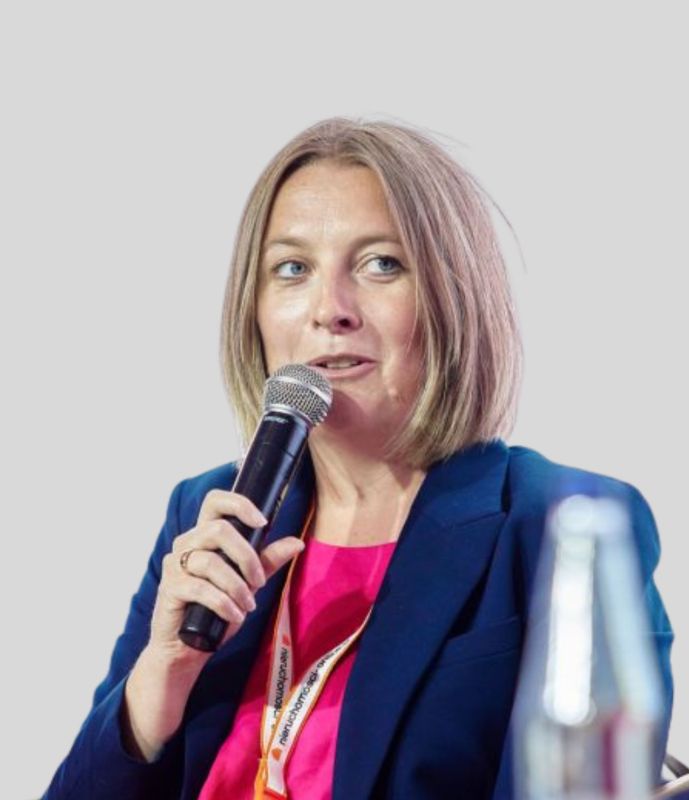
Marta Moksa
09:00 - 09:30
O4 Coworking
keynote speaking
Team Leader 3.0: From metrics keeper to business value architect
The world of services is undergoing a transformation. Automation is taking over repetitive processes, and teams are expected to deliver higher value (Value Creation). In this 30-minute introductory workshop session, you'll learn how the role of a Team Leader has changed over the past three years and why your soft skills are now more important than your knowledge of hard processes.
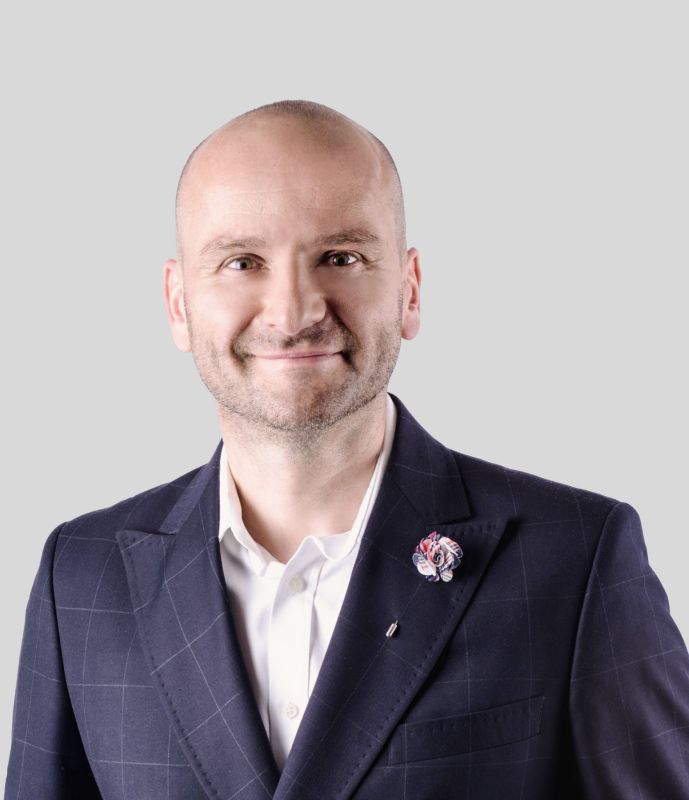
Michał Bielawski
09:30 - 09:45
O4 Coworking
Morning break
09:45 - 11:15
O4 Coworking, sala A
workshops
Leading in the Matrix: Building Engagement in Hybrid and Distributed Teams
Series: TEAM MANAGEMENT & COMMUNICATIONS
Does your team work from home, from the office, or sometimes from the other side of the world? Hybrid management in the BPO/SSC/GBS/GCC sector is commonplace, but it still creates challenges: a diminished sense of belonging, information silos, and difficulties with onboarding new employees. Come and learn about the tools that will help you build a cohesive team, regardless of where your employees log in from.
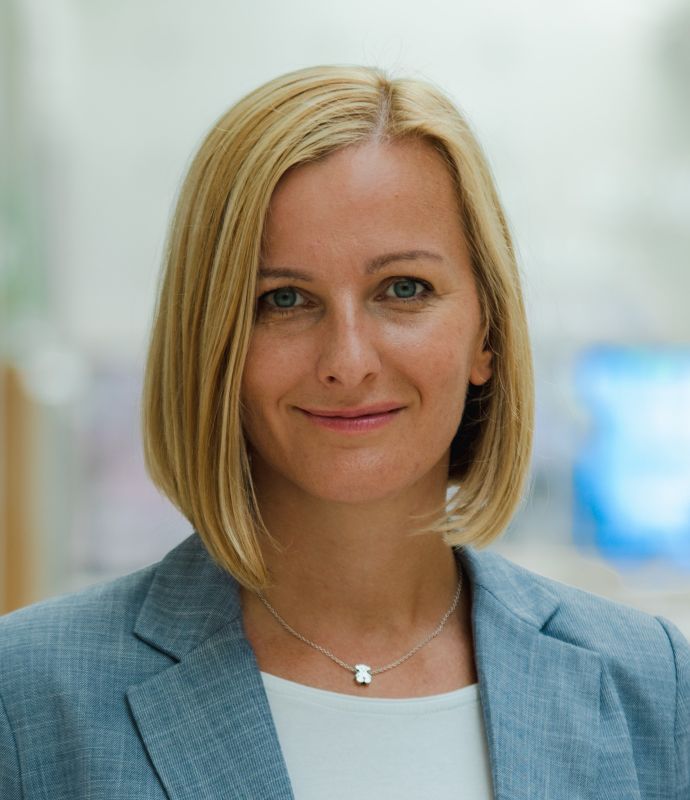
Dominika Maciejak
09:45 - 11:15
O4 Coworking, sala B
workshops
Anatomy of Difficult Conversations: Feedback in a multicultural environment
Series: TEAM MANAGEMENT & COMMUNICATION
Providing constructive feedback is one of the most challenging roles of a Team Leader. How can you point out mistakes without demotivating an employee? How can you discuss promotions, raises, and PIP (Performance Improvement Plan) in teams with diverse cultural backgrounds? This workshop will arm you with a practical framework for conducting difficult conversations without stress and with maximum impact.

Adam Szewczak
09:45 - 11:15
O4 Coworking, sala C
workshops
From SLA to XLA: Lean Management and process optimization for non-finance professionals
Series: PROCESS MANAGEMENT & TECHNOLOGY
Green indicators (SLAs) don't always mean a satisfied business customer. Take your process management to the next level and learn the concept of XLA (Experience Level Agreement). You'll understand how to map processes with your team, identify bottlenecks, and implement a culture of Continuous Improvement without drowning in complex methodology.
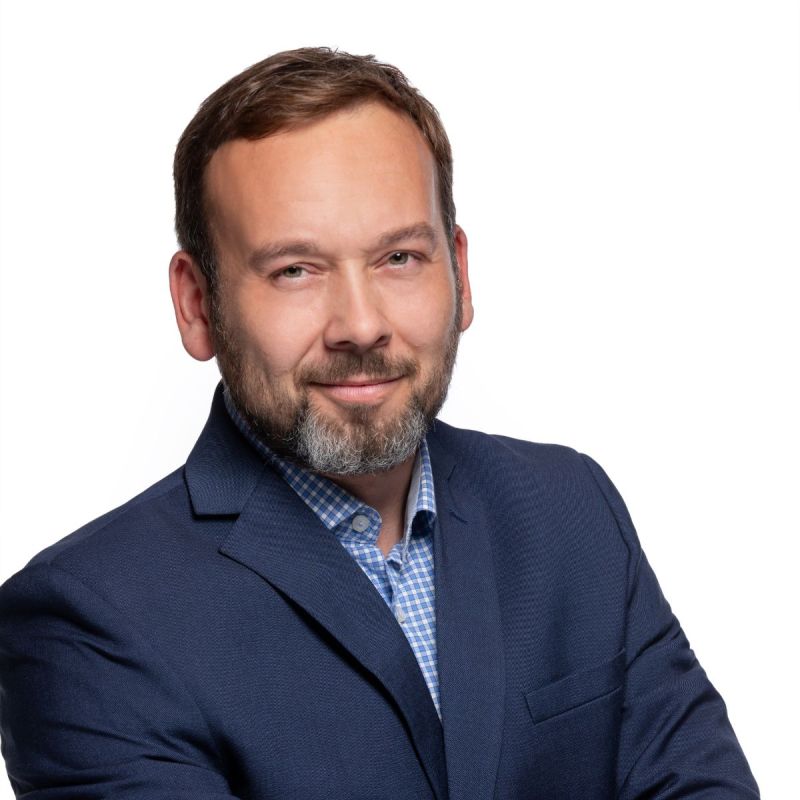
Kamil Walerzak
09:45 - 11:15
O4 Coworking, sala D
workshops
Team Leader 2.0 and Artificial Intelligence: How to manage the work of "Digital Collaborators"
Series: PROCESS MANAGEMENT & TECHNOLOGY
RPA (Robotic Process Automation) and Generative AI are no longer the future; they are the present of the modern business services sector. As a Team Leader, you don't have to be a programmer, but you do need to know how to manage a process in which humans and bots work side by side. Learn to identify processes for automation and manage your team's fear of "losing their job."
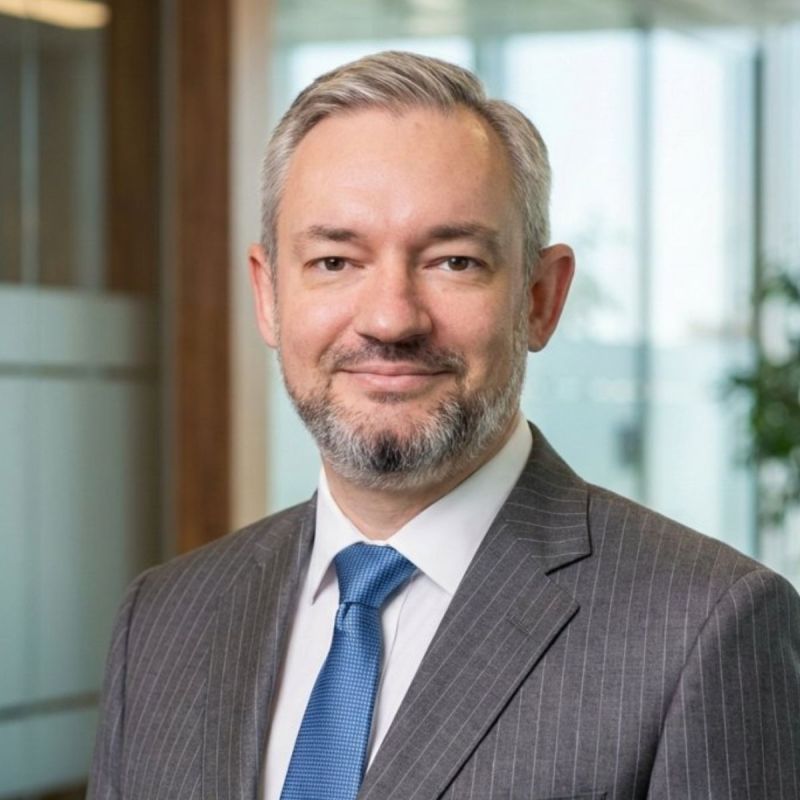
Paweł Płocki
11:15 - 11:30
O4 Coworking
Coffee break
11:30 - 13:00
O4 Coworking, sala A
workshops
Leader's Protective Shield: Burnout prevention and energy management
Series: SOFT SKILLS & RESILIENCE
Fast-paced work, pressure for results, and constant firefighting – this is a surefire path to burnout, both for you and your team. This workshop will show you how to distinguish fatigue from burnout, how to build resilience (mental toughness) in your people, and how to maintain your own work-life balance while balancing management's expectations and the needs of your team.

Monika Reszko
11:30 - 13:00
O4 Coworking, sala B
workshops
Conflict as a development tool: Emotional intelligence in dispute resolution
Series: SOFT SKILLS & RESILIENCE
Team conflicts, friction with other departments, difficult clients – sound familiar? Instead of avoiding confrontation, learn to manage it. You'll develop your emotional intelligence and learn facilitation techniques that turn toxic disputes into constructive solutions that improve the work of the entire center.

Karolina Ciepłucha
11:30 - 13:00
O4 Coworking, sala C
workshops
Team Leader Personal Branding: From operational role to strategic partner
Series: PERSONAL DEVELOPMENT & LEADERSHIP
You're doing great work, but is it really visible higher up in the organization? Personal branding within a corporation isn't about bragging; it's about consciously managing your image as an expert. In this workshop, you'll learn how to build your visibility in a matrix organization, effectively present your team's results, and prepare for the role of manager.
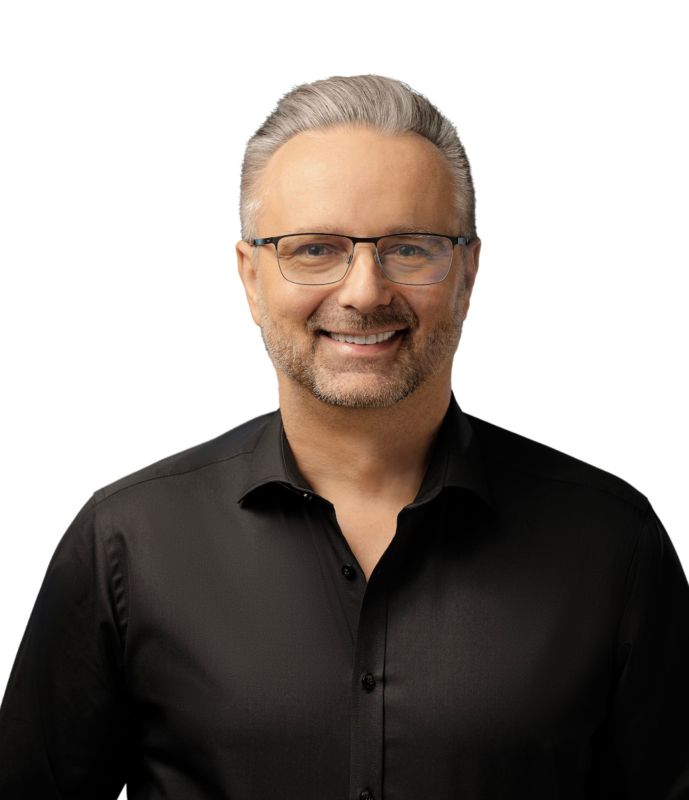
Marcin Banaszkiewicz
11:30 - 13:00
O4 Coworking, sala D
workshops
Leader as Coach: Talent retention and career path planning
Series: PERSONAL DEVELOPMENT & LEADERSHIP
Employee turnover is expensive. In today's job market, simply delegating tasks isn't enough to retain top talent. Learn a coaching management style! You'll understand how to discover your employees' potential, build individual development plans (IDPs), and become a leader people want to work with and don't want to leave.
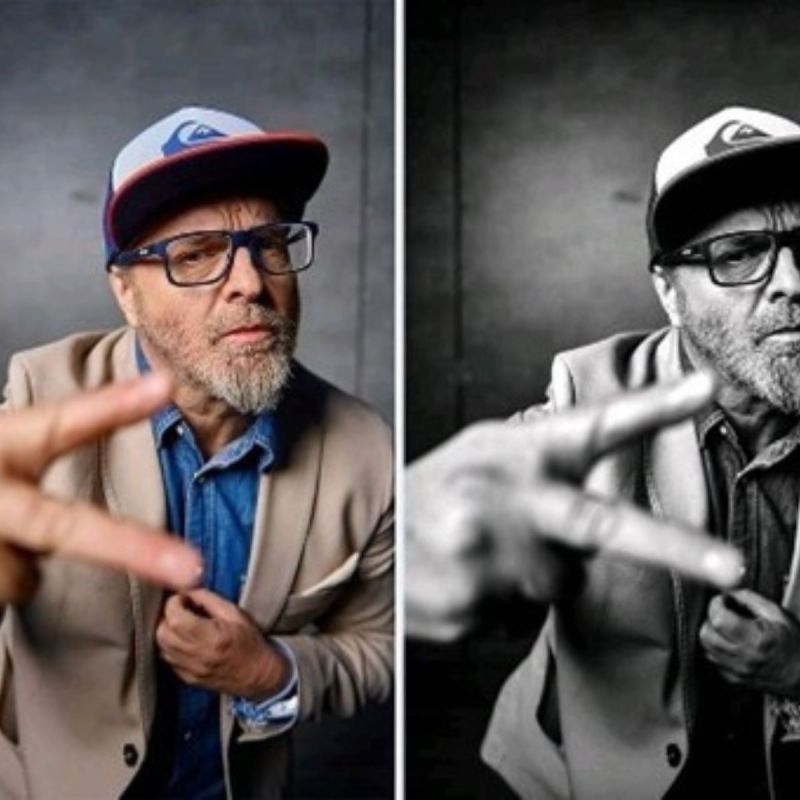
Maciej Martowicz
13:00 - 14:00
Lunch
14:00 - 15:30
O4 Coworking, sala A
workshops
Leading in the Matrix: Building engagement in hybrid and distributed teams
Series: TEAM MANAGEMENT & COMMUNICATIONS
Does your team work from home, from the office, or sometimes from the other side of the world? Hybrid management in the BPO/SSC/GBS/GCC sector is commonplace, but it still creates challenges: a diminished sense of belonging, information silos, and difficulties with onboarding new employees. Come and learn about the tools that will help you build a cohesive team, regardless of where your employees log in from.
Dominika Maciejak
14:00 - 15:30
O4 Coworking, sala B
workshops
Anatomy of Difficult Conversations: Feedback in a multicultural environment
Series: TEAM MANAGEMENT & COMMUNICATION
Providing constructive feedback is one of the most challenging roles of a Team Leader. How can you point out mistakes without demotivating an employee? How can you discuss promotions, raises, and PIP (Performance Improvement Plan) in teams with diverse cultural backgrounds? This workshop will arm you with a practical framework for conducting difficult conversations without stress and with maximum impact.
Adam Szewczak
14:00 - 15:30
O4 Coworking, sala C
workshops
From SLA to XLA: Lean Management and process optimization for non-finance professionals
Series: PROCESS MANAGEMENT & TECHNOLOGY
Green indicators (SLAs) don't always mean a satisfied business customer. Take your process management to the next level and learn the concept of XLA (Experience Level Agreement). You'll understand how to map processes with your team, identify bottlenecks, and implement a culture of Continuous Improvement without drowning in complex methodology.
Kamil Walerzak
14:00 - 15:30
O4 Coworking, sala D
workshops
Team Leader 2.0 and Artificial Intelligence: How to manage the work of "Digital Collaborators"
Series: PROCESS MANAGEMENT & TECHNOLOGY
RPA (Robotic Process Automation) and Generative AI are no longer the future; they are the present of the modern business services sector. As a Team Leader, you don't have to be a programmer, but you do need to know how to manage a process in which humans and bots work side by side. Learn to identify processes for automation and manage your team's fear of "losing their job."
Paweł Płocki
15:30 - 15:45
O4 Coworking
Coffee break
15:45 - 17:15
O4 Coworking, sala A
workshops
Leader's Protective Shield: Burnout prevention and energy management
Series: SOFT SKILLS & RESILIENCE
Fast-paced work, pressure for results, and constant firefighting – this is a surefire path to burnout, both for you and your team. This workshop will show you how to distinguish fatigue from burnout, how to build resilience (mental toughness) in your people, and how to maintain your own work-life balance while balancing management's expectations and the needs of your team.
Monika Reszko
15:45 - 17:15
O4 Coworking, sala B
workshops
Conflict as a development tool: Emotional intelligence in dispute resolution
Series: SOFT SKILLS & RESILIENCE
Team conflicts, friction with other departments, difficult clients – sound familiar? Instead of avoiding confrontation, learn to manage it. You'll develop your emotional intelligence and learn facilitation techniques that turn toxic disputes into constructive solutions that improve the work of the entire center.
Karolina Ciepłucha
15:45 - 17:15
O4 Coworking, sala C
workshops
Team Leader Personal Branding: From operational role to strategic partner
Series: PERSONAL DEVELOPMENT & LEADERSHIP
You're doing great work, but is it really visible higher up in the organization? Personal branding within a corporation isn't about bragging; it's about consciously managing your image as an expert. In this workshop, you'll learn how to build your visibility in a matrix organization, effectively present your team's results, and prepare for the role of manager.
Marcin Banaszkiewicz
15:45 - 17:15
O4 Coworking, sala D
workshops
Leader as Coach: Talent retention and career path planning
Series: PERSONAL DEVELOPMENT & LEADERSHIP
Employee turnover is expensive. In today's job market, simply delegating tasks isn't enough to retain top talent. Learn a coaching management style! You'll understand how to discover your employees' potential, build individual development plans (IDPs), and become a leader people want to work with and don't want to leave.
Maciej Martowicz
Choose the event you are interested in:
08:30 - 09:15
Parter Olivia Star
Event Registration
09:15 - 09:30
Olivia Star, 34 piętro
presentation

Official conference opening ceremony
Official opening of the event by representatives of Pro Progressio and Invest in Pomerania.
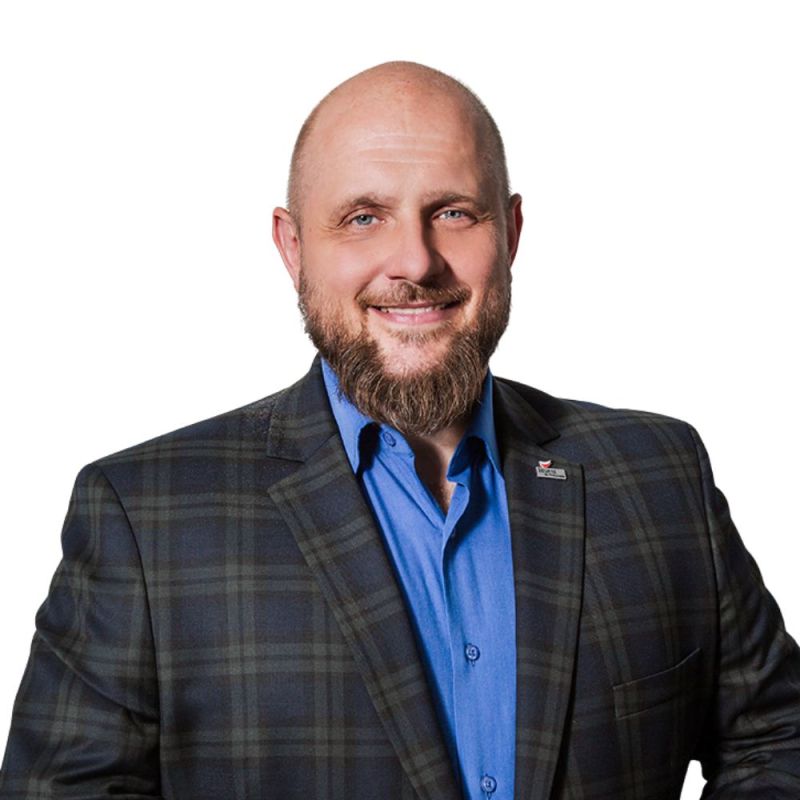
Marcin Grzegory
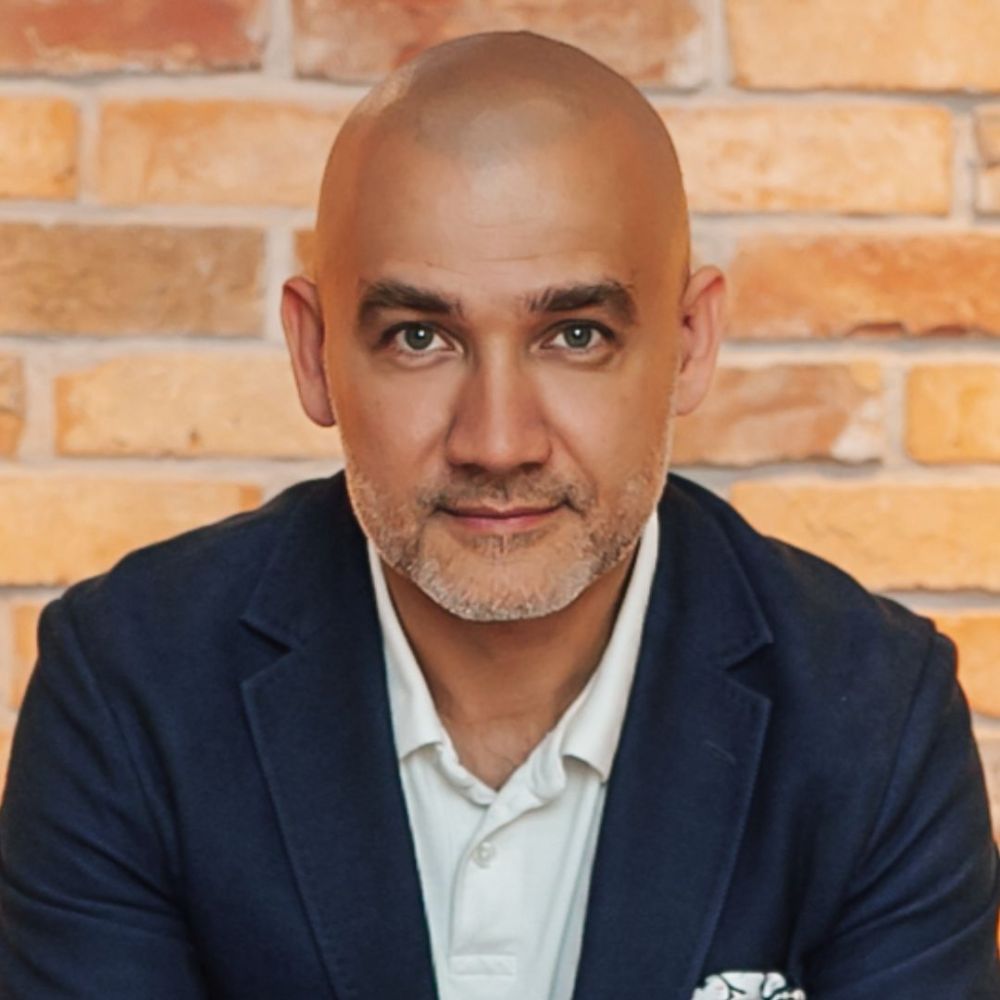
Wiktor Doktór
09:30 – 10:00
Olivia Star, 34 piętro
presentation
GBS in Poland vs. global perspectives: Trends, competitiveness and development directions.
Poland has been strengthening its position on the global services map for years, but global competition is growing. Learn how to effectively defend and promote our market, what advantages to leverage, and what are the forecasts for the development of the GBS sector in Poland in the coming years.
Key Points: Poland's position in the context of competitive countries; trends and directions of GBS development in Poland; the added value of Polish centers (talent pool, competency diversification); strategies for effectively defending and promoting the Polish market
Wiktor Doktór
10:00 - 10:30
Olivia Star, 34 piętro
fire-chat
Hub evolution: What to centralize and what to leave close to the market?
Process migration is a constant balancing act between scale efficiency and local business conditions. During this discussion, we will dissect the decisions about which functions go to hubs and which must necessarily remain close to local markets and customers.
Key Points: Analysis of the most frequently centralized functions; factors that determine whether processes remain local (regulations, risk, market proximity); stages of migrating subsequent areas to hubs; and methods for influencing the development of GBS structures.
Michał Bielawski
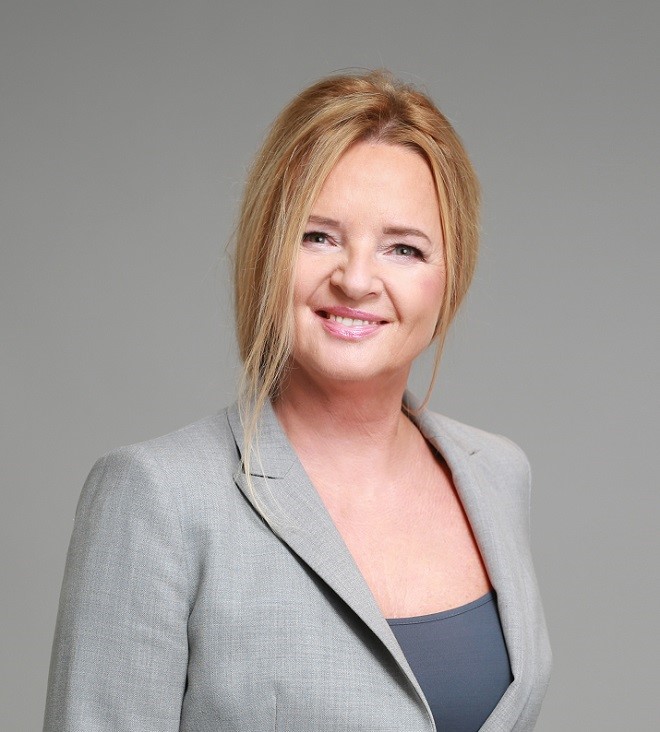
Violetta Małek
10:30 - 11:15
Olivia Star, 34 piętro
discussion panel
Pharma & Healthcare Industry: direction to "Knowledge Intensive Work".
The pharmaceutical sector is setting new standards, massively relocating advanced knowledge-based processes to Poland, moving away from simple transactional operations. Let's explore what centralization looks like in highly regulated industries and what innovative lessons other business sectors can learn from it.
Key Points: The specific nature of centralization in the pharmaceutical and medical industries as a benchmark; the transition from transactions to knowledge-intensive operations; the challenges faced by regulated industries in creating and scaling hubs.
Moderator Wiktor Doktór
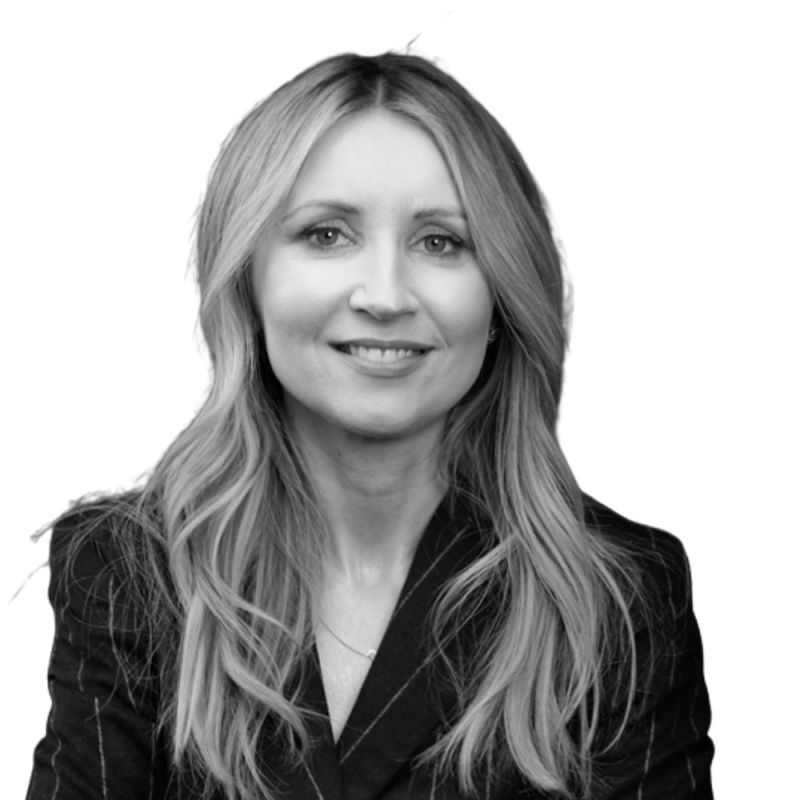
Andżelika Zarudzka
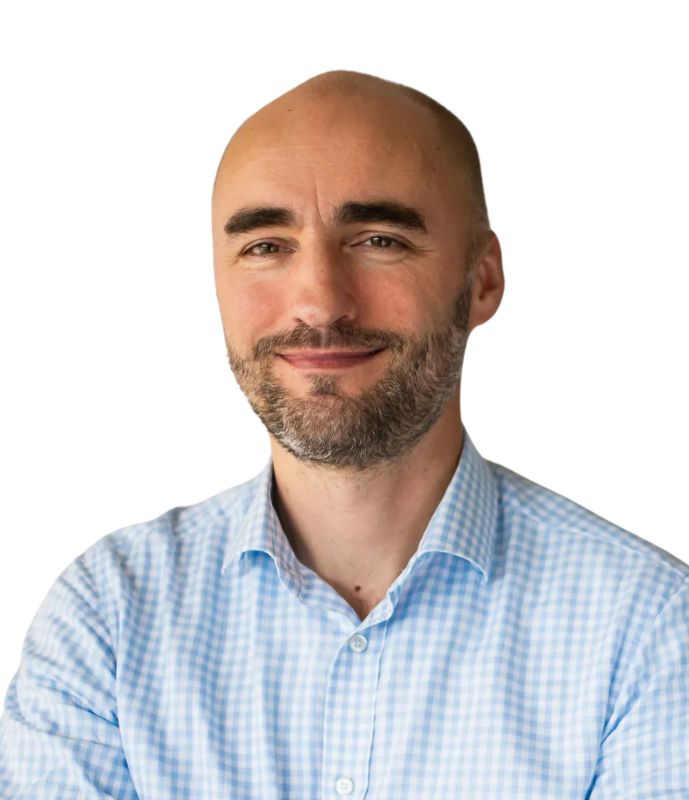
Remigiusz Wojciechowski
11:15 - 11:45
Restauracja Vidokówka, Olivia Star, 32 piętro
Coffee and Networking Time
11:45 - 12:15
Olivia Star, 34 piętro
presentation
From SSC to Capability Centers: How to build real business value.
A mere name change is definitely not enough to become a true Center of Excellence (CoE). We will show you how to effectively transition from a purely transactional approach to taking full responsibility for the final outcome, embedding Capability Centers at the heart of business needs.
Key Points: True CoEs versus a false name change; a strategic evolution from transactional to accountable for business outcomes; integrating and embedding capability centers close to real business needs.
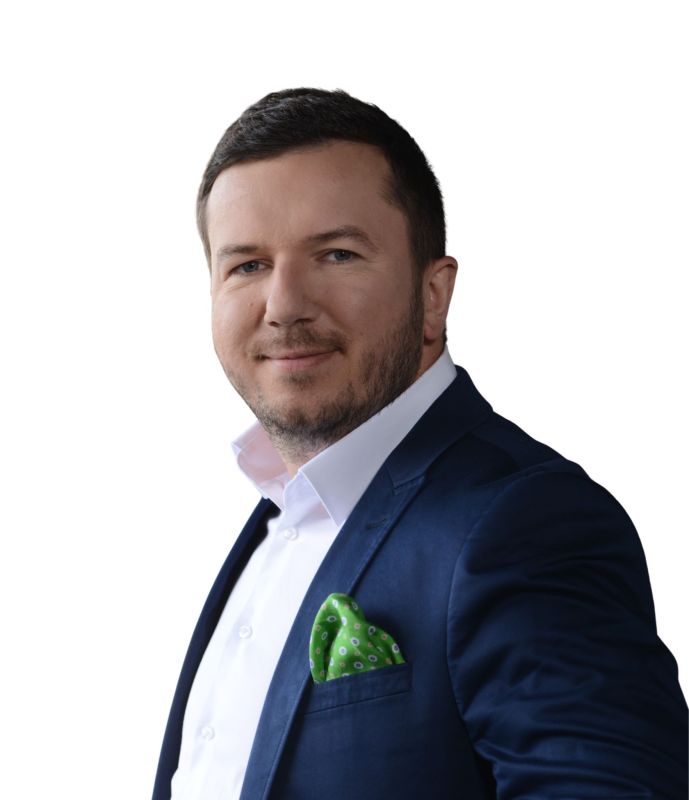
Krzysztof Herdzik
12:15 - 12:45
Olivia Star, 34 piętro
fire-chat
Value over Activity: How to move beyond cost and FTE narratives?
It's high time to stop talking to businesses solely about jobs and cost cutting. This discussion will demonstrate how to measure and prove the real value that operational hubs deliver to organizations in a modern way, while building trust with global management.
Key Points: Moving away from the cost and FTE narrative; effective value metrics that work across industries; building trust in hubs among local markets and management; managing the perception of operational hubs at headquarters; and ways to effectively deliver value.
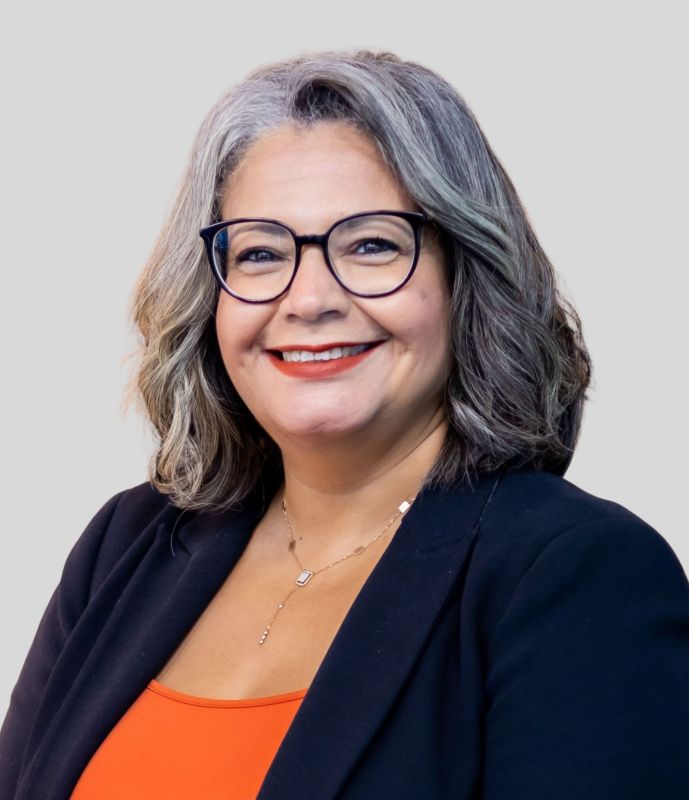
Maggi Dewedar
Phil Kitchen
12:45 - 13:30
Olivia Star, 34 piętro
discussion panel
Leadership in hybrid and matrix structures.
Managing a modern center involves internal diplomacy, active sales, and building a culture in an environment where employees often report to global leaders. Experts will share how to navigate the new, complex role of the GCC Head and create an organization resistant to friction within matrix structures.
Key Points: Challenges of the new GCC Head role in the face of intersecting influences and interests; the sales role of the center leader; building culture and developing talent within structures reporting to global Functional Leaders; and effective management tools in matrix structures.
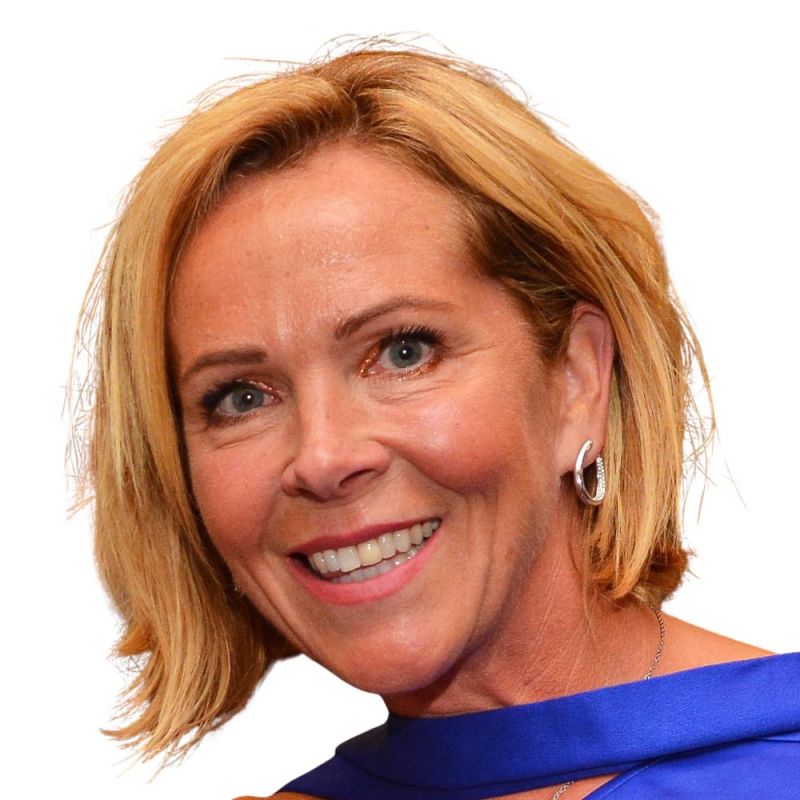
Moderator Kerry Hallard
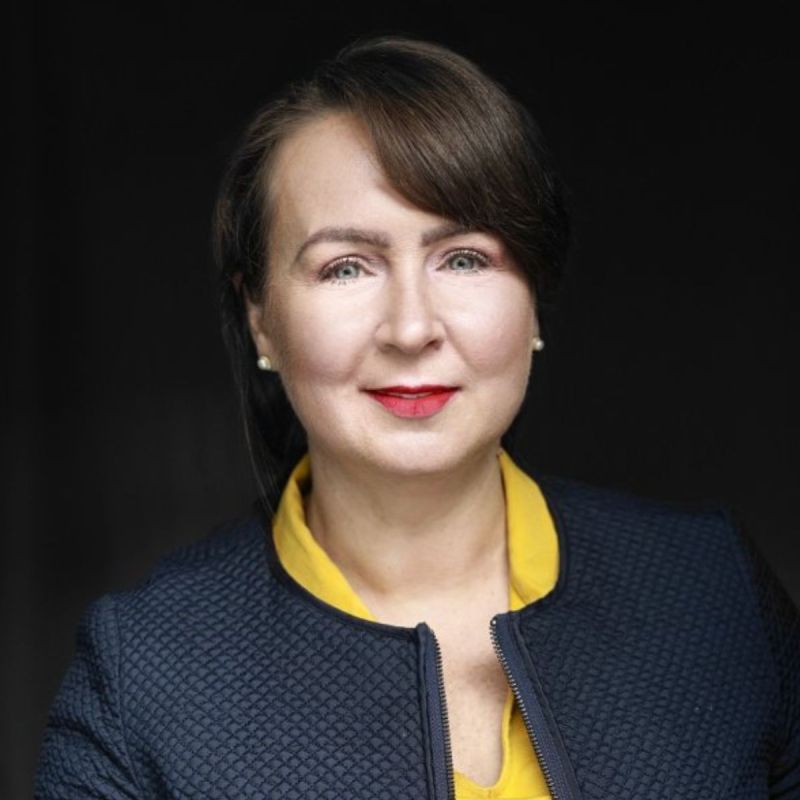
Katarzyna Zalewska
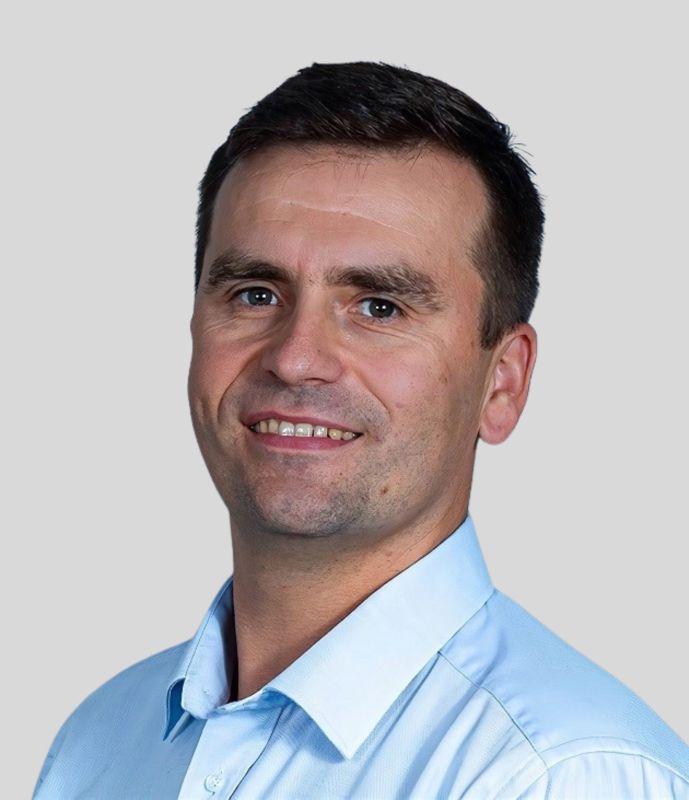
Marek Szul
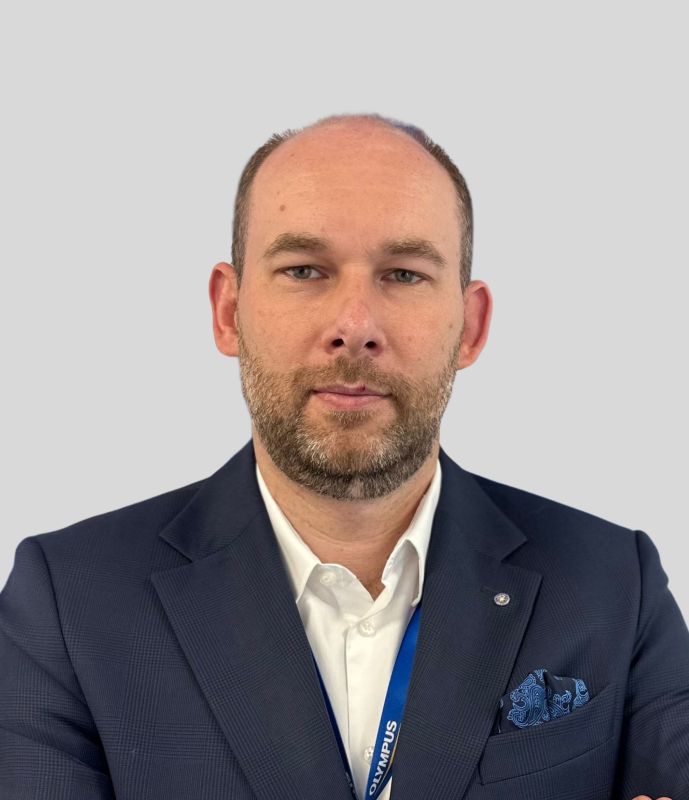
Tomasz Leśniewski
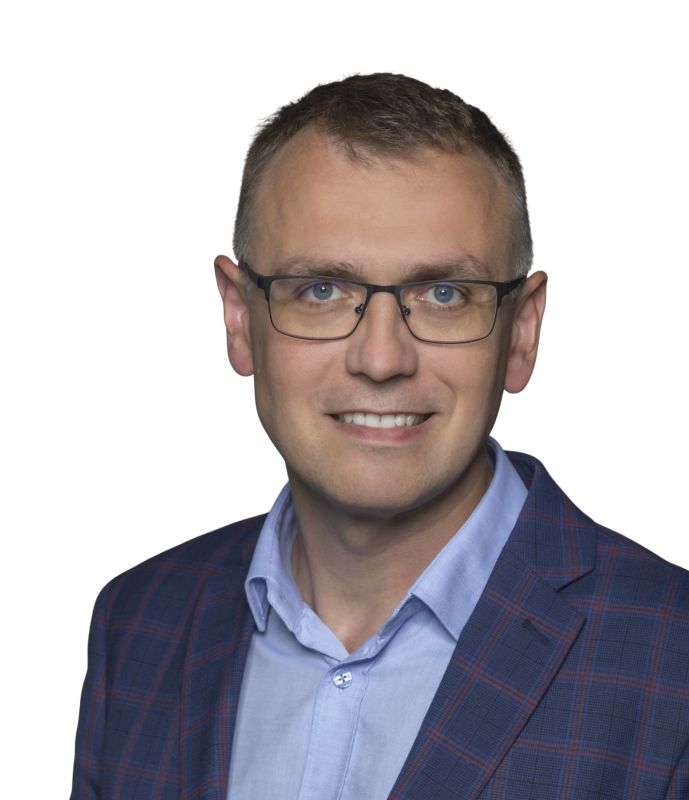
Łukasz Libertowski
13:30 - 14:30
Restauracja Vidokówka, Olivia Star, 32 piętro
Lunch
14:30 - 15:00
Olivia Star, 34 piętro
presentation
AI in practice: Real business cases and their impact on results.
In this session, we focus exclusively on hard data and cost-effectiveness. You'll see concrete AI implementations within GBS/GCC that have significantly reduced costs, saved time, and improved employee experience.
Key Points: Material impact of AI on company results; specific business use cases implemented by GBS/GCC, not sales companies; measurable benefits at the employee experience level; real time savings and cost reductions.
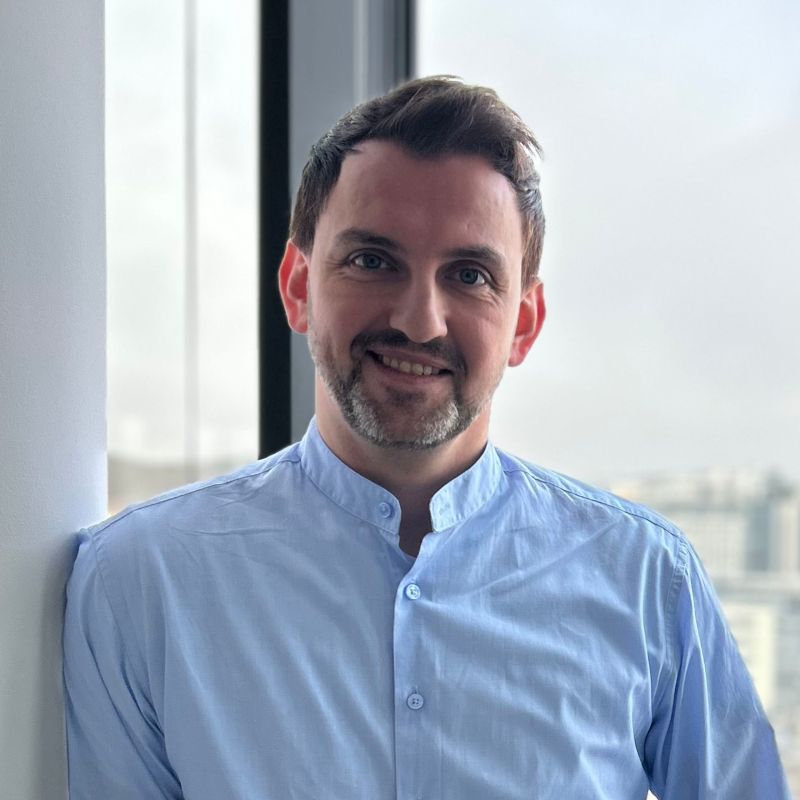
Piotr Saran
15:00 - 15:30
Olivia Star, 34 piętro
fire-chat
GBS as a driver of innovation: Is this already a Polish reality?
From processing thousands of invoices to creating technological solutions that transform the competitive advantage of the entire organization. We'll discuss what this transformation looks like in practice and whether Polish centers have truly become key innovators for their global headquarters.
Key Points: The shift from transaction delivery to the role of innovation driver; verification of such examples in the Polish market.
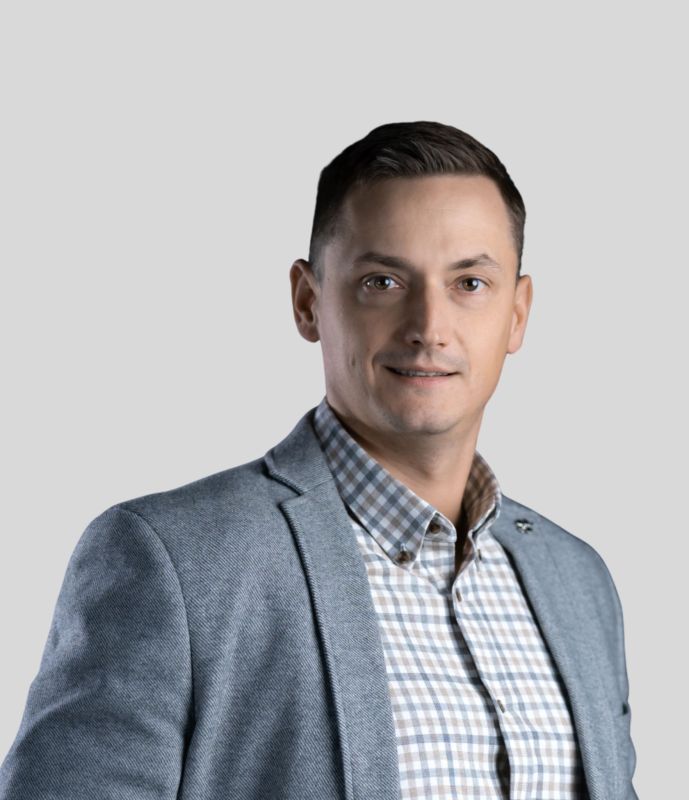
Bartosz Budzewski
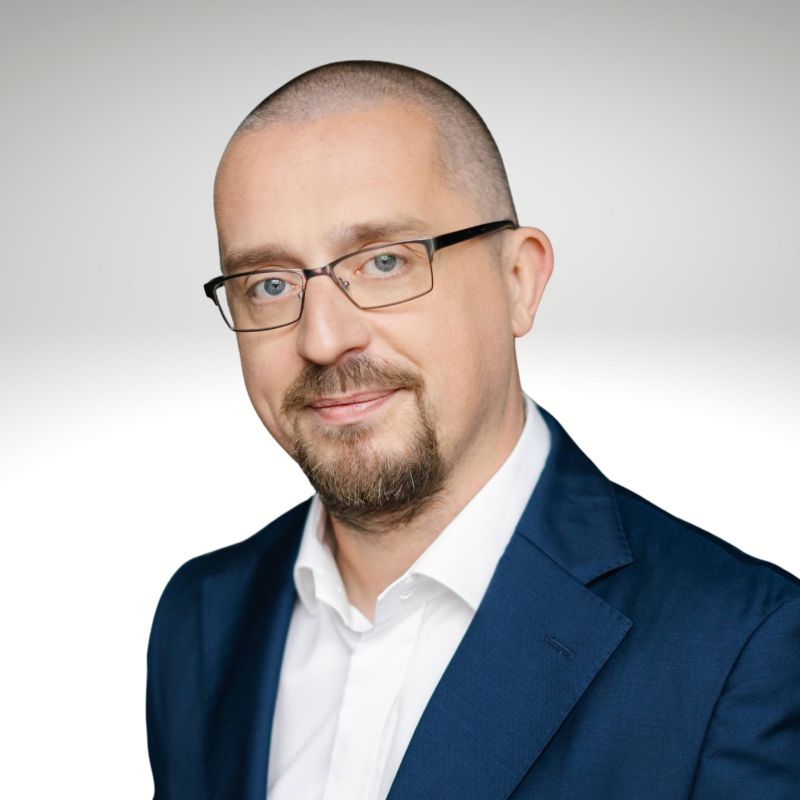
Krzysztof Reptowski
15:30 - 16:15
Olivia Star, 34 piętro
discussion panel
People and change: Retention, returns to the office, and new career paths.
Flat organizational structures pose a significant challenge to employees' professional ambitions, and the return-to-office policy continues to spark debate. Together, we will explore how to design meaningful career paths and effectively combat employee turnover in an era of such dynamic change.
Key Points: Managing the challenging issue of returning to the office and the associated change; designing career paths within highly constrained organizational structures; and strategies for combating employee attrition.
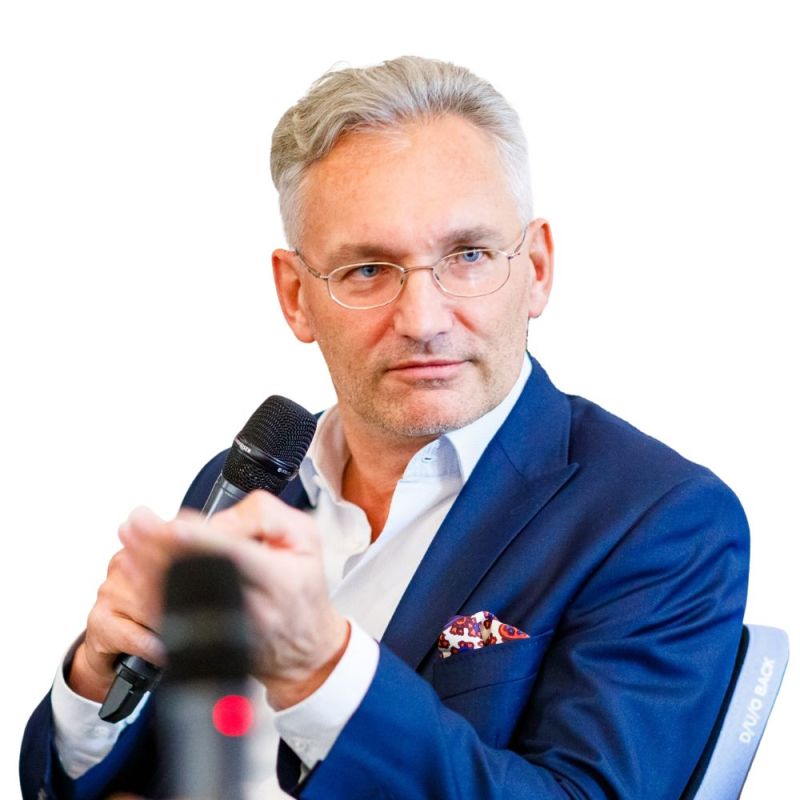
Moderator Maciej Kotarski

Adam Schroeder
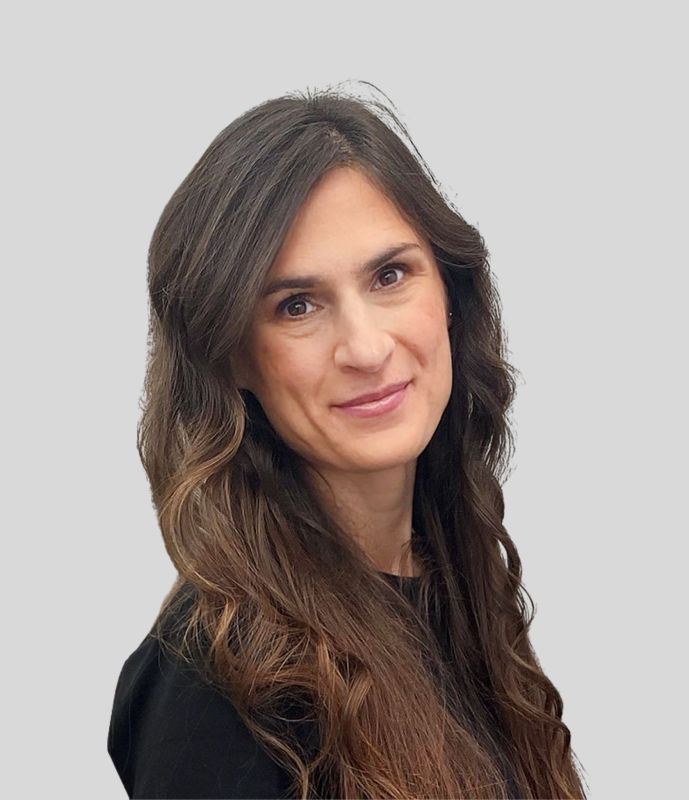
Agnieszka Porębska
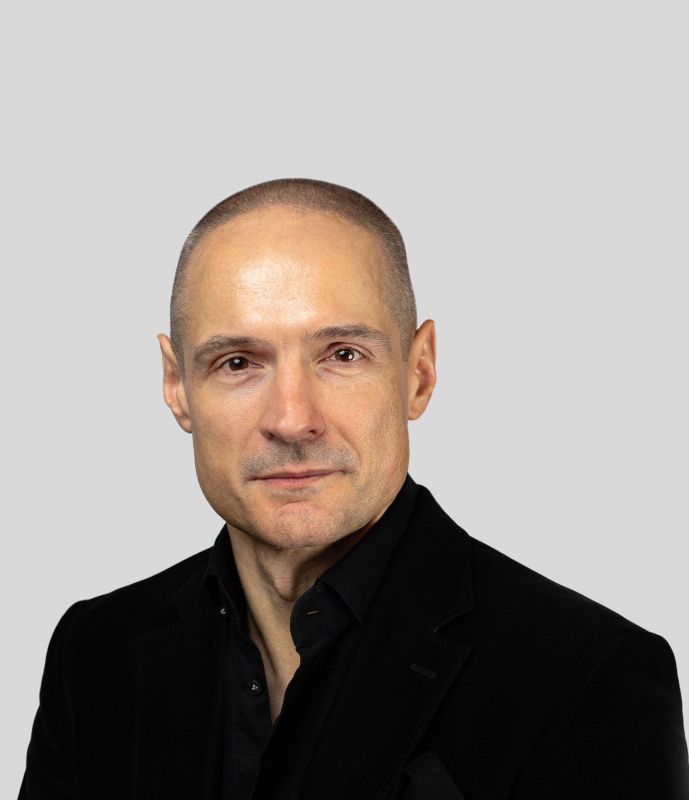
Cezary Chałupa
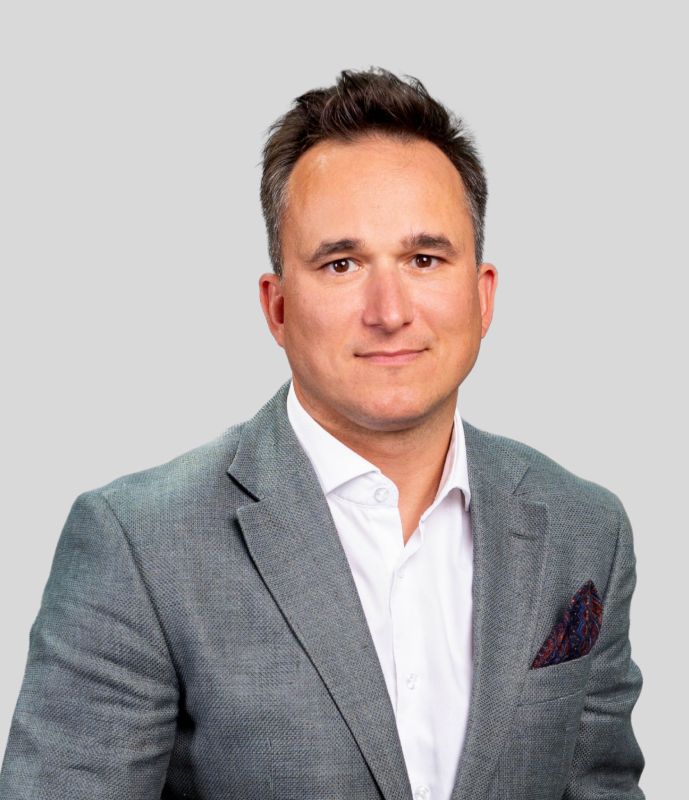
Sebastian Sala
16:15-16:30
Olivia Star, 34 piętro
presentation
The end of the conference
Summary of the most important conclusions from the entire day.
Marcin Grzegory
Wiktor Doktór